Through-Hole vs. SMT Assembly: Which Is Right for Your PCB?

Two assembly technologies dominate PCB production: surface mount technology (SMT) and through-hole assembly (TH). Most electronics engineers are familiar with both, but the choice of which to use, and in what combination, has real consequences for board performance, cost, and manufacturability. This article covers how each method works, where each excels, and how to think about...

Turnkey PCB Assembly Explained: What to Expect from Start to Finish

When procurement teams and engineering managers search for a PCB assembly partner, they frequently encounter the term "turnkey." It gets applied broadly, and what it actually includes varies from one manufacturer to the next. Before you sign a contract or submit design files, it is worth understanding what true turnkey PCB assembly covers and what...

Design for Manufacturability for PCB Assembly: A Practical Guide

Design for Manufacturability, or DFM, is the practice of reviewing and optimizing a PCB design so it can be built efficiently and reliably on a production line. It is one of the highest-leverage activities in the product development process, and it is almost always more cost-effective to address DFM issues during design than after production...

Custom PCB Assembly vs. PCB Fabrication: What Is the Difference?

If you are sourcing a printed circuit board for the first time, two terms come up almost immediately: PCB fabrication and PCB assembly. They sound similar, and vendors sometimes use them interchangeably, but they refer to two distinct stages of production. Understanding the difference helps you ask better questions, write cleaner specs, and choose the...

SMT Assembly Process Explained: How Custom PCBs Are Built

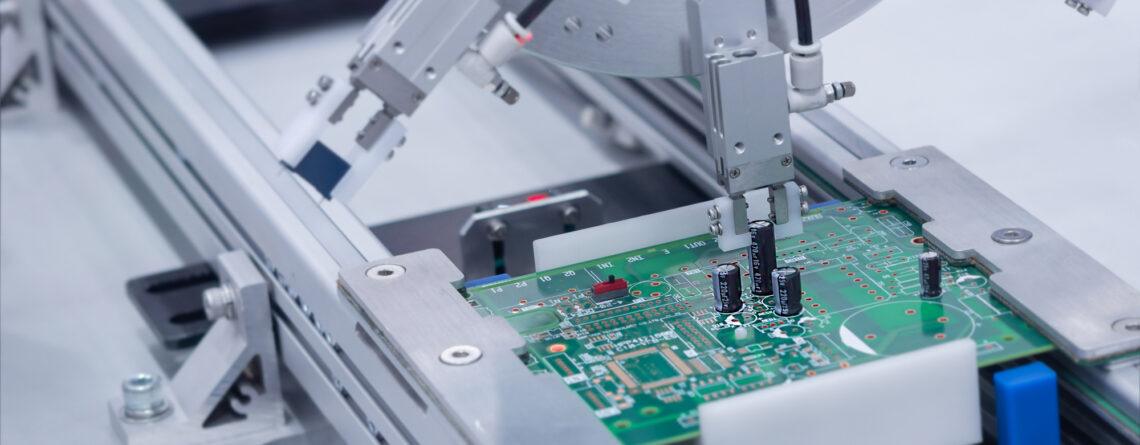
Surface Mount Technology (SMT) is the dominant method used in modern custom PCB assembly. It allows for smaller component sizes, higher board density, and faster automated production compared to older through-hole methods. If you are working with a contract manufacturer on a custom build, your boards will almost certainly go through an SMT line. Understanding how...

From Prototype to Production: Where Hardware Programs Break Down

There is an adage in the industry: "Hardware is hard." But looking closely at the failures of promising startups and established product lines, it becomes clear that the design phase is rarely the culprit. Most engineering teams are brilliant at solving technical problems. They can build a functional prototype that proves the concept, delights investors,...

EMS vs ODM vs CM: What’s the Right Model for Your Product Stage?

Launching a new electronic product is a complex process. One of the most important decisions you'll make is selecting the right manufacturing partner. This choice influences everything from your intellectual property and development costs to your time-to-market and ability to grow. However, the manufacturing industry is filled with confusing acronyms. You've probably come across terms...

Why NPI Timelines Slip — and How EMS Can Prevent It

Every product launch starts with a schedule. In the early stages, the timeline looks clean, the milestones seem achievable, and the path to market appears straight. Yet, for many engineering managers and operations leaders, that optimism often hits a wall of reality known as New Product Introduction (NPI) manufacturing. Delays in NPI aren't just inconvenient; they...