Through-Hole vs. SMT Assembly: Which Is Right for Your PCB?

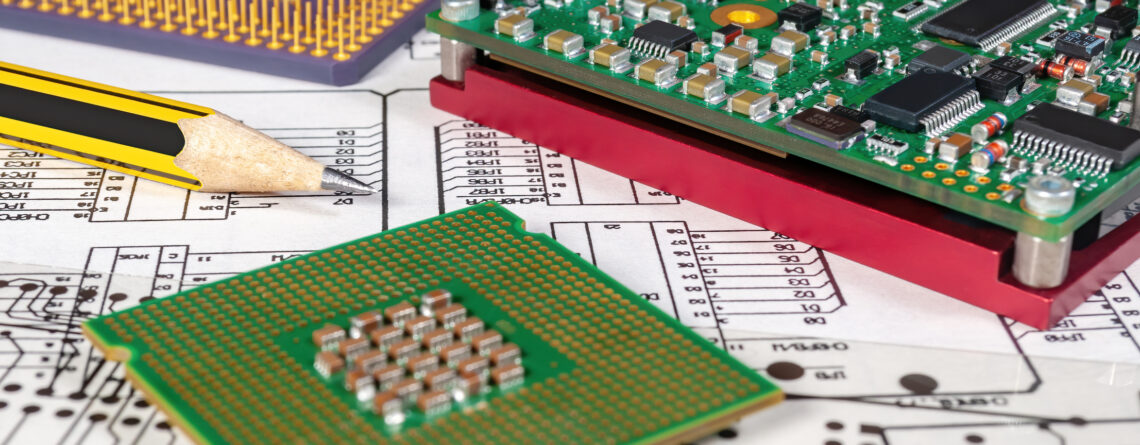
Two assembly technologies dominate PCB production: surface mount technology (SMT) and through-hole assembly (TH). Most electronics engineers are familiar with both, but the choice of which to use, and in what combination, has real consequences for board performance, cost, and manufacturability. This article covers how each method works, where each excels, and how to think about...

Turnkey PCB Assembly Explained: What to Expect from Start to Finish

When procurement teams and engineering managers search for a PCB assembly partner, they frequently encounter the term "turnkey." It gets applied broadly, and what it actually includes varies from one manufacturer to the next. Before you sign a contract or submit design files, it is worth understanding what true turnkey PCB assembly covers and what...

Design for Manufacturability for PCB Assembly: A Practical Guide

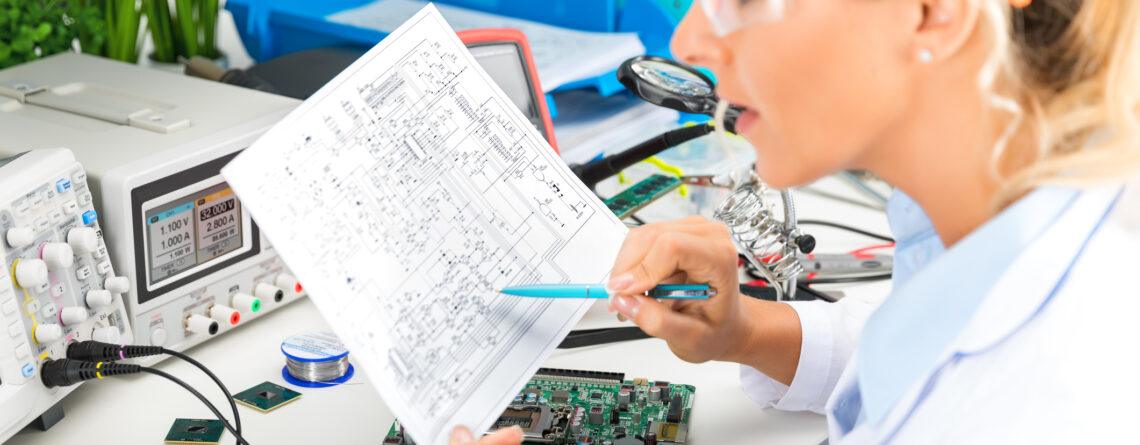
Design for Manufacturability, or DFM, is the practice of reviewing and optimizing a PCB design so it can be built efficiently and reliably on a production line. It is one of the highest-leverage activities in the product development process, and it is almost always more cost-effective to address DFM issues during design than after production...

Custom PCB Assembly vs. PCB Fabrication: What Is the Difference?

If you are sourcing a printed circuit board for the first time, two terms come up almost immediately: PCB fabrication and PCB assembly. They sound similar, and vendors sometimes use them interchangeably, but they refer to two distinct stages of production. Understanding the difference helps you ask better questions, write cleaner specs, and choose the...

SMT Assembly Process Explained: How Custom PCBs Are Built

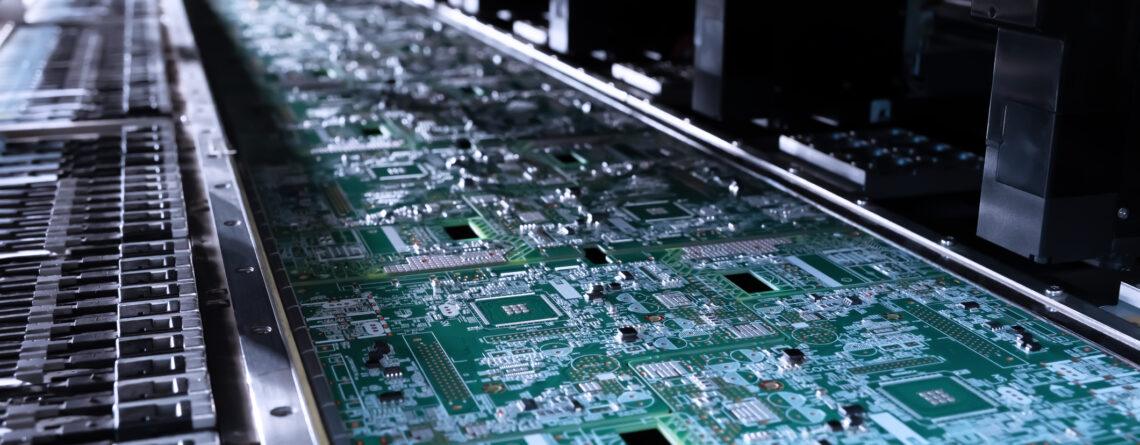
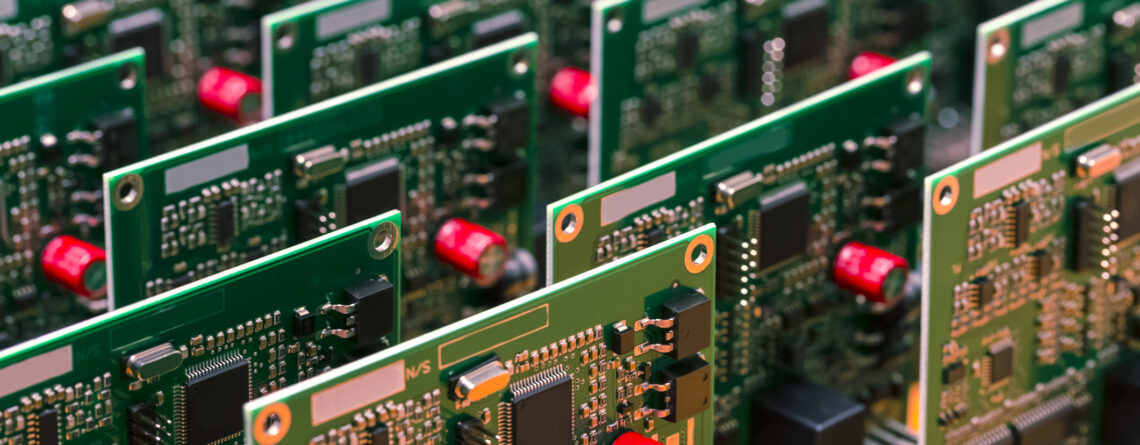
Surface Mount Technology (SMT) is the dominant method used in modern custom PCB assembly. It allows for smaller component sizes, higher board density, and faster automated production compared to older through-hole methods. If you are working with a contract manufacturer on a custom build, your boards will almost certainly go through an SMT line. Understanding how...

Why “Design for Manufacturability” Fails Without Early EMS Involvement

In today’s competitive electronics market, manufacturers are under constant pressure to deliver high-quality products faster and at a lower cost. Design for Manufacturability (DFM) has become an important principle for product development teams striving to meet these goals. Yet despite this, many companies still struggle to realize the full value of DFM. The missing link?...
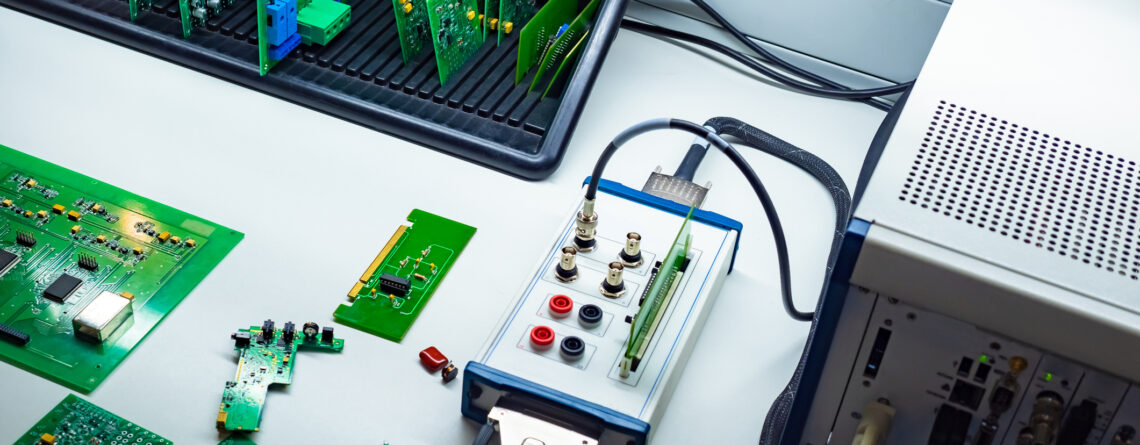
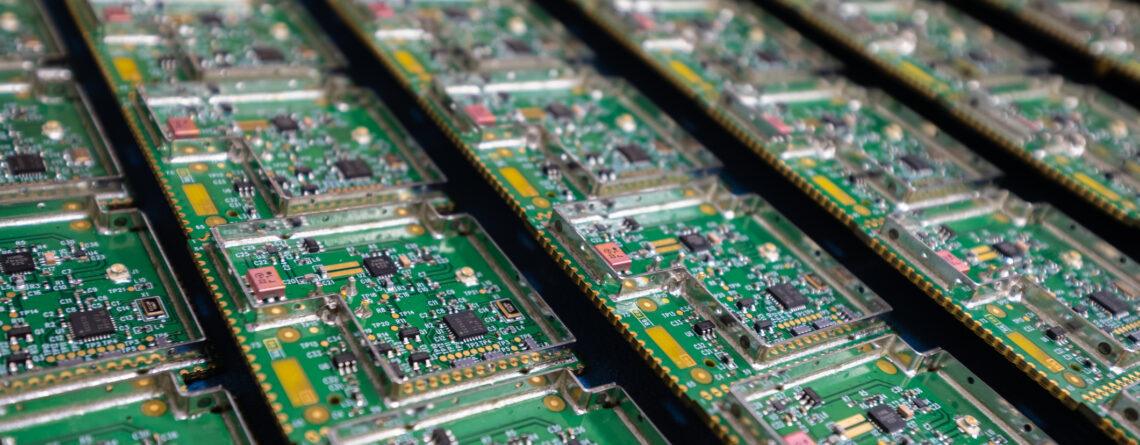
From Pilot Runs to Mass Production: Why PVT Is the Gateway to Launch Readiness

Before any product can move confidently into mass production, it must pass one important milestone: Production Validation Testing (PVT). While EVT and DVT confirm that the design works and is manufacturable, PVT ensures that the entire production ecosystem, from the supply chain to the assembly line to quality assurance, is ready to perform at scale. PVT...

How PVT Ensures Manufacturing Consistency and Quality at Scale

When a product reaches the final stages of development, one challenge remains: ensuring that every unit built at scale meets the same quality, performance, and reliability standards as the initial prototypes. This is where Production Validation Testing (PVT) becomes indispensable. PVT is the last major verification phase before mass manufacturing, designed to validate not only the...

Production Validation Testing: The Final Check Before Mass Manufacturing

Reaching the final stages of product development is a major milestone, but it doesn’t mean the product is ready for mass manufacturing just yet. After EVT validates core functionality and DVT proves system-level performance and manufacturability, there is one step left: Production Validation Testing (PVT). PVT is where the production line, processes, and quality controls are...