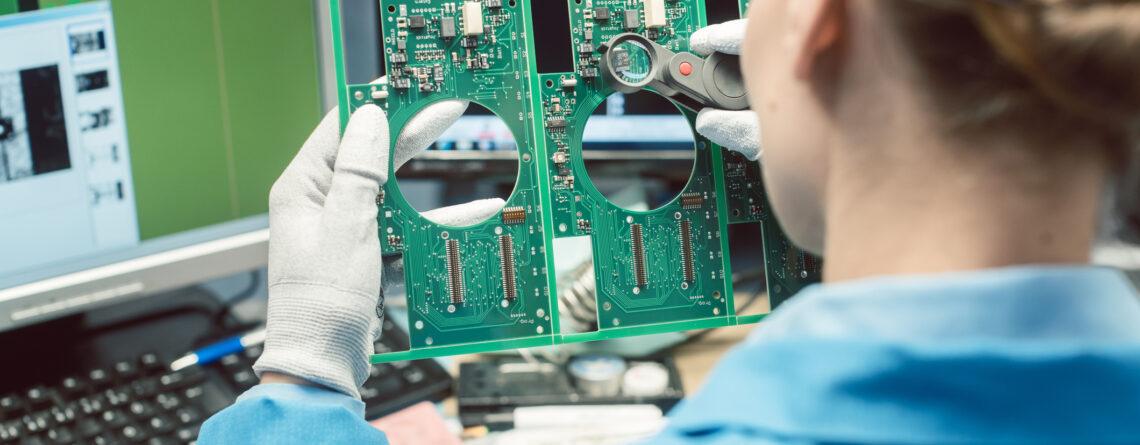
Why “Design for Manufacturability” Fails Without Early EMS Involvement

In today’s competitive electronics market, manufacturers are under constant pressure to deliver high-quality products faster and at a lower cost. Design for Manufacturability (DFM) has become an important principle for product development teams striving to meet these goals. Yet despite this, many companies still struggle to realize the full value of DFM. The missing link?...
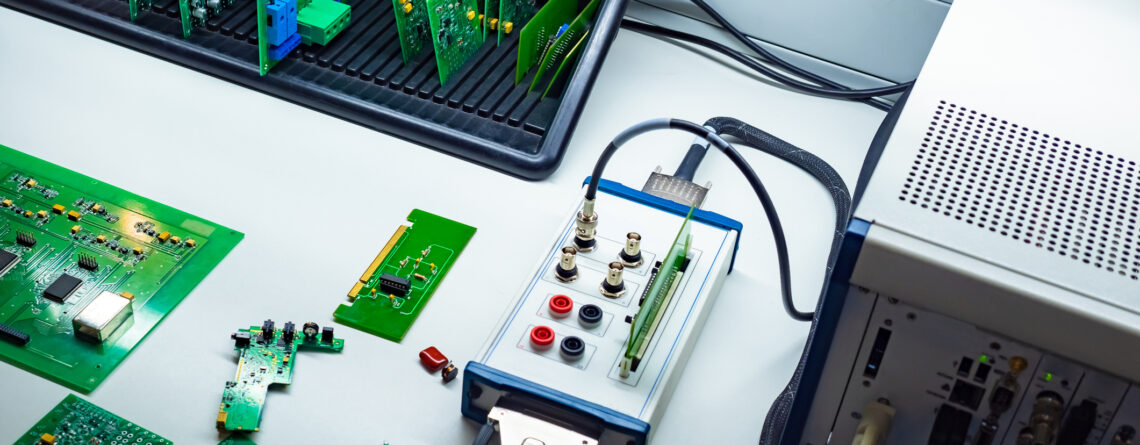
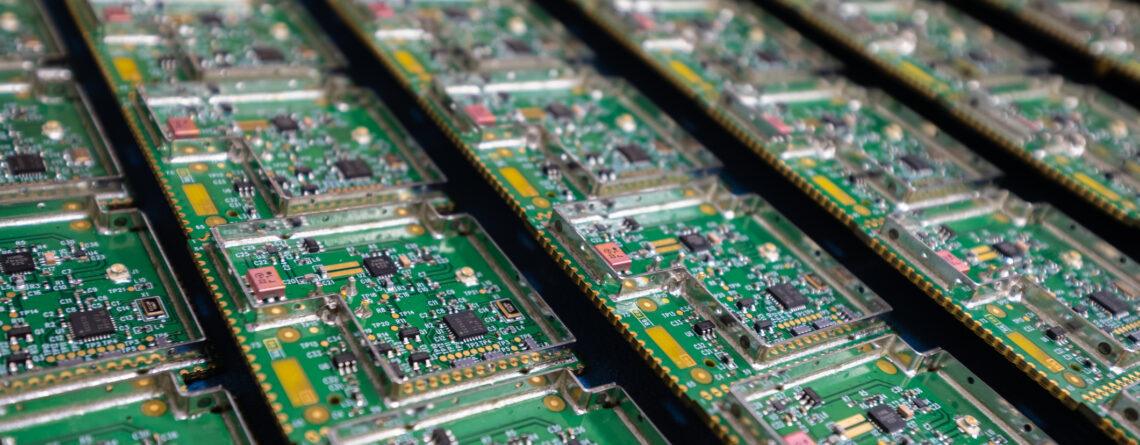
From Pilot Runs to Mass Production: Why PVT Is the Gateway to Launch Readiness

Before any product can move confidently into mass production, it must pass one important milestone: Production Validation Testing (PVT). While EVT and DVT confirm that the design works and is manufacturable, PVT ensures that the entire production ecosystem, from the supply chain to the assembly line to quality assurance, is ready to perform at scale. PVT...

How PVT Ensures Manufacturing Consistency and Quality at Scale

When a product reaches the final stages of development, one challenge remains: ensuring that every unit built at scale meets the same quality, performance, and reliability standards as the initial prototypes. This is where Production Validation Testing (PVT) becomes indispensable. PVT is the last major verification phase before mass manufacturing, designed to validate not only the...

Production Validation Testing: The Final Check Before Mass Manufacturing

Reaching the final stages of product development is a major milestone, but it doesn’t mean the product is ready for mass manufacturing just yet. After EVT validates core functionality and DVT proves system-level performance and manufacturability, there is one step left: Production Validation Testing (PVT). PVT is where the production line, processes, and quality controls are...

Avoiding Late-Stage Surprises: Why DVT Is the Key to Production Success

In hardware development, one of the costliest mistakes is discovering design flaws after mass production begins. At that point, even small issues can cause major setbacks, like production delays, yield drops, unexpected rework, and costly redesigns. This is exactly why Design Validation Testing (DVT) is important. DVT identifies system-level issues early enough to fix them without...

Design Validation Testing: Where Product Design Meets Real-World Performance

Bringing a product from concept to market is more than just perfecting a schematic, it’s about proving that the design can perform reliably in the real world. That’s where Design Validation Testing (DVT) plays a pivotal role. At SVTronics, we view DVT as the bridge between engineering innovation and market readiness, making sure what works...

The Hidden Engineering Behind PCB Reliability

Printed circuit boards (PCBs) are the foundation of today’s electronics; without them, the electronics industry would not exist. From medical devices and aerospace systems to automotive controls and consumer electronics, their reliability directly impacts product performance and safety. While many only see the finished board, it’s the hidden engineering that determines how well a PCB...

What is New Product Introduction

What Is New Product Introduction (NPI) in the Electronics Industry?

A key component in the world of contract electronics manufacturing is the New Product Introduction process. There are a number of factors to consider while looking for an electronics contract manufacturer (ECM) that can consistently provide high-quality products, and how they implement NPI is one of them. New Product Introduction can make or break an idea...